
Visually Impaired
Expanded Core Curriculum
In addition to the core curriculum that all students receive, visually impaired students also need specialized instruction specifically related to their blindness. The Expanded Core Curriculum (ECC) is the instructional framework designed to meet the unique needs of students who are visually impaired. It consists of nine essential areas that are taught to help students develop the skills needed for independence, access, and success in school and everyday life.
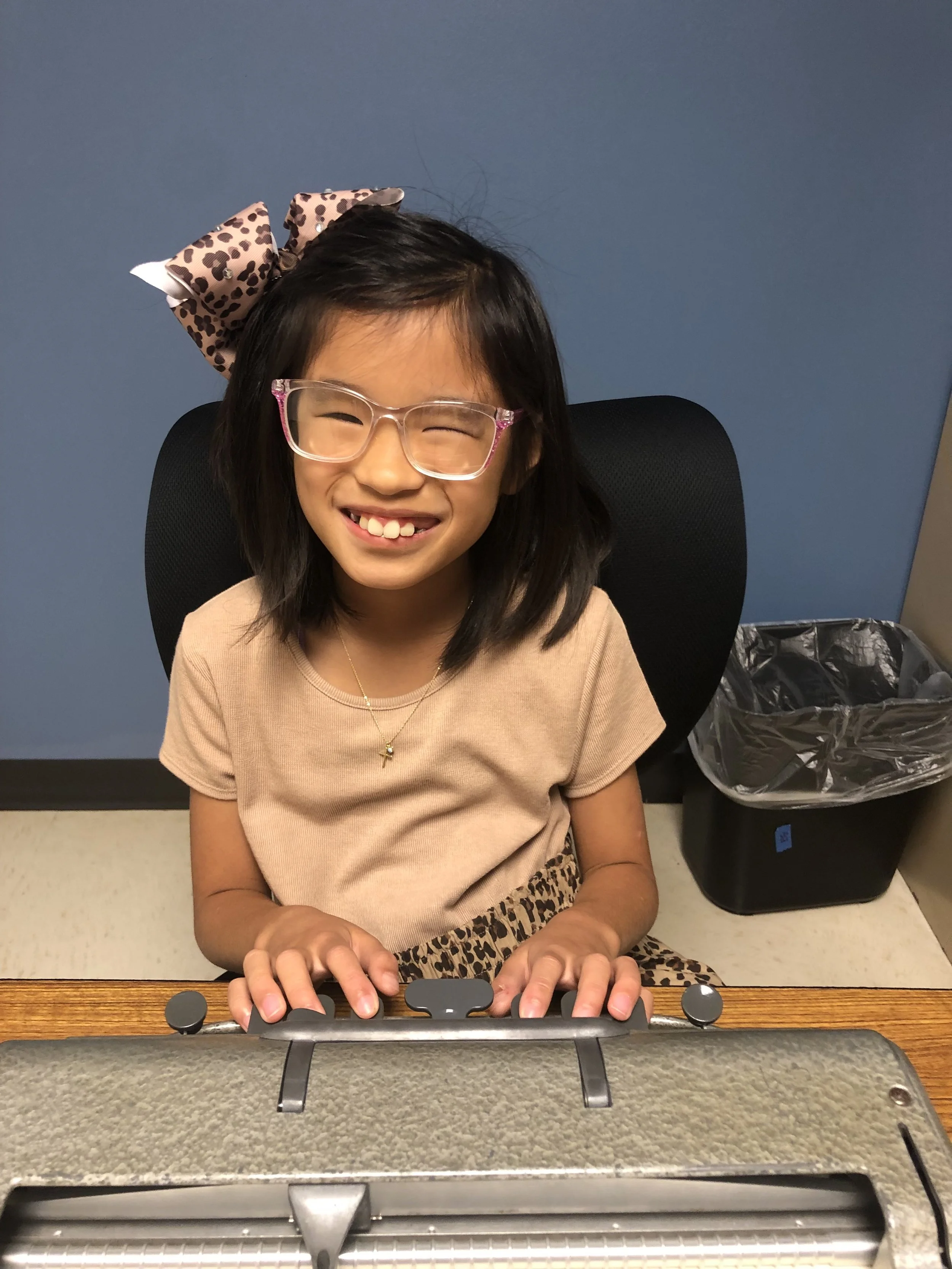
Compensatory Skills
Compensatory skills are the academic and functional skills students with visual impairments need to access learning. This includes braille, tactile graphics, organization, communication, and other adaptions that help students succeed
in school.
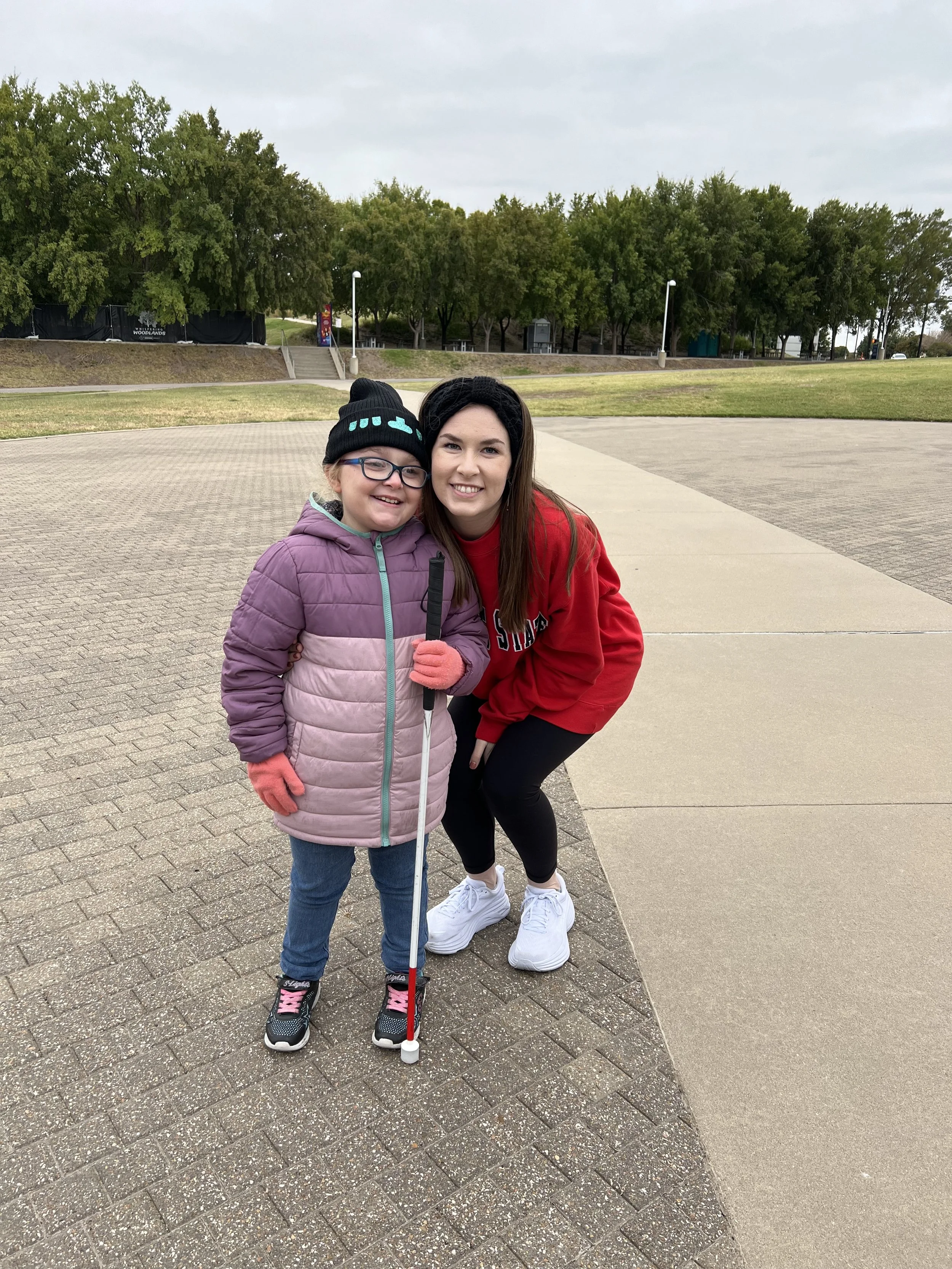
Orientation and Mobility
Orientation and Mobility (O&M) teaches students how to safely and efficiently navigate their environments. Students learn concepts such as spatial awareness, route travel, street crossings, and the use of mobility tools like the white cane.

Social Skills
Students with visual impairments often miss visual cues that support social development. Direct instruction helps
them build appropriate communication skills, understand body language and
facial expressions, and develop
meaningful relationships.

Independent Living
Independent living skills prepare students to manage everyday tasks with
confidence. Instruction may include cooking, cleaning, personal hygiene, organization, money management, and household responsibilities.
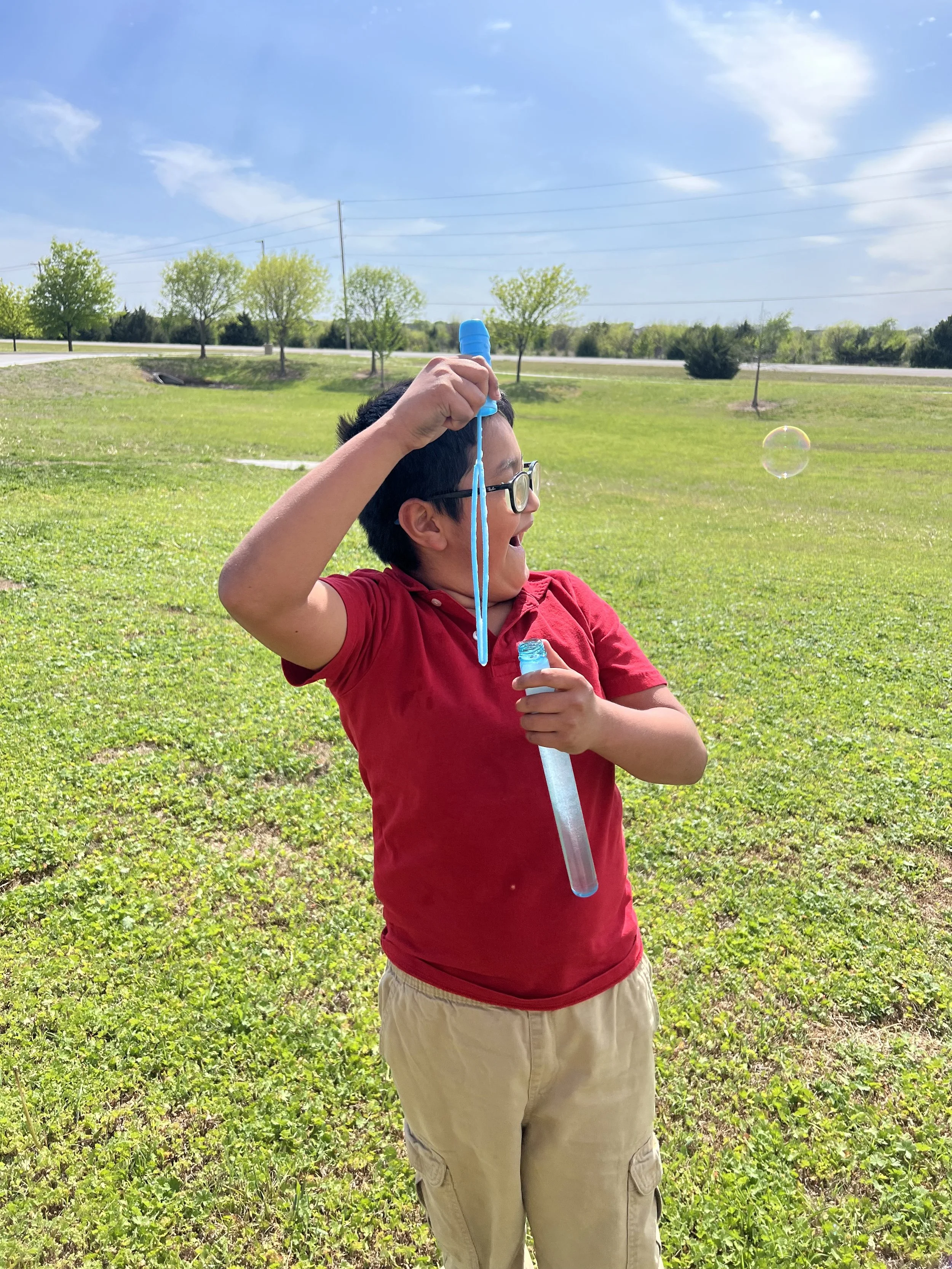
Recreation and Leisure
Students are introduced to hobbies, sports, and recreational activities that promote lifelong enjoyment and wellness. They learn how to access and participate in activities independently and alongside
their peers.
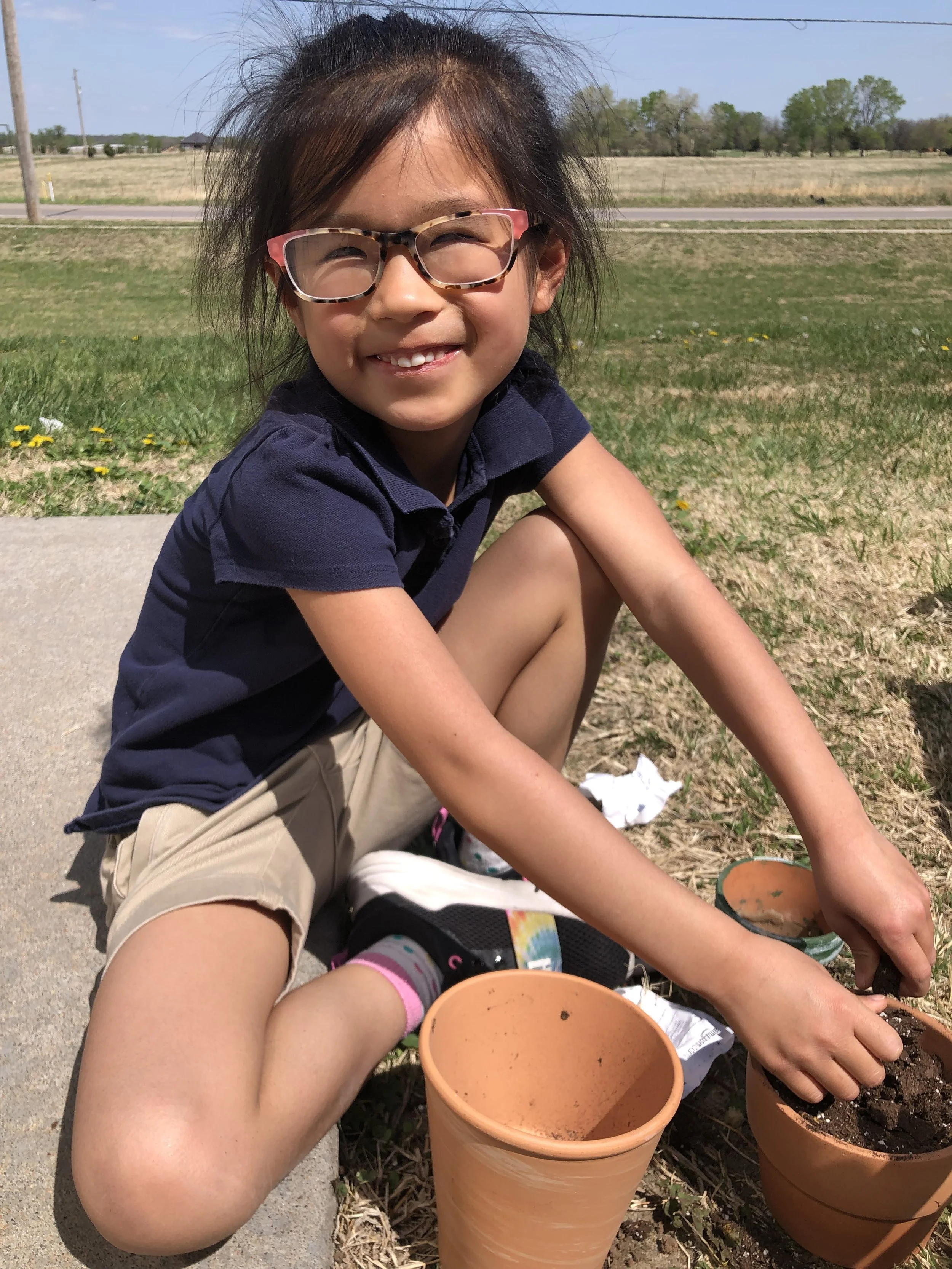
Sensory Efficiency
Sensory efficiency focuses on helping students make the best use of their remaining vision, hearing, touch, smell, and other senses. Students learn strategies and techniques that maximize access to their environment and educational materials.
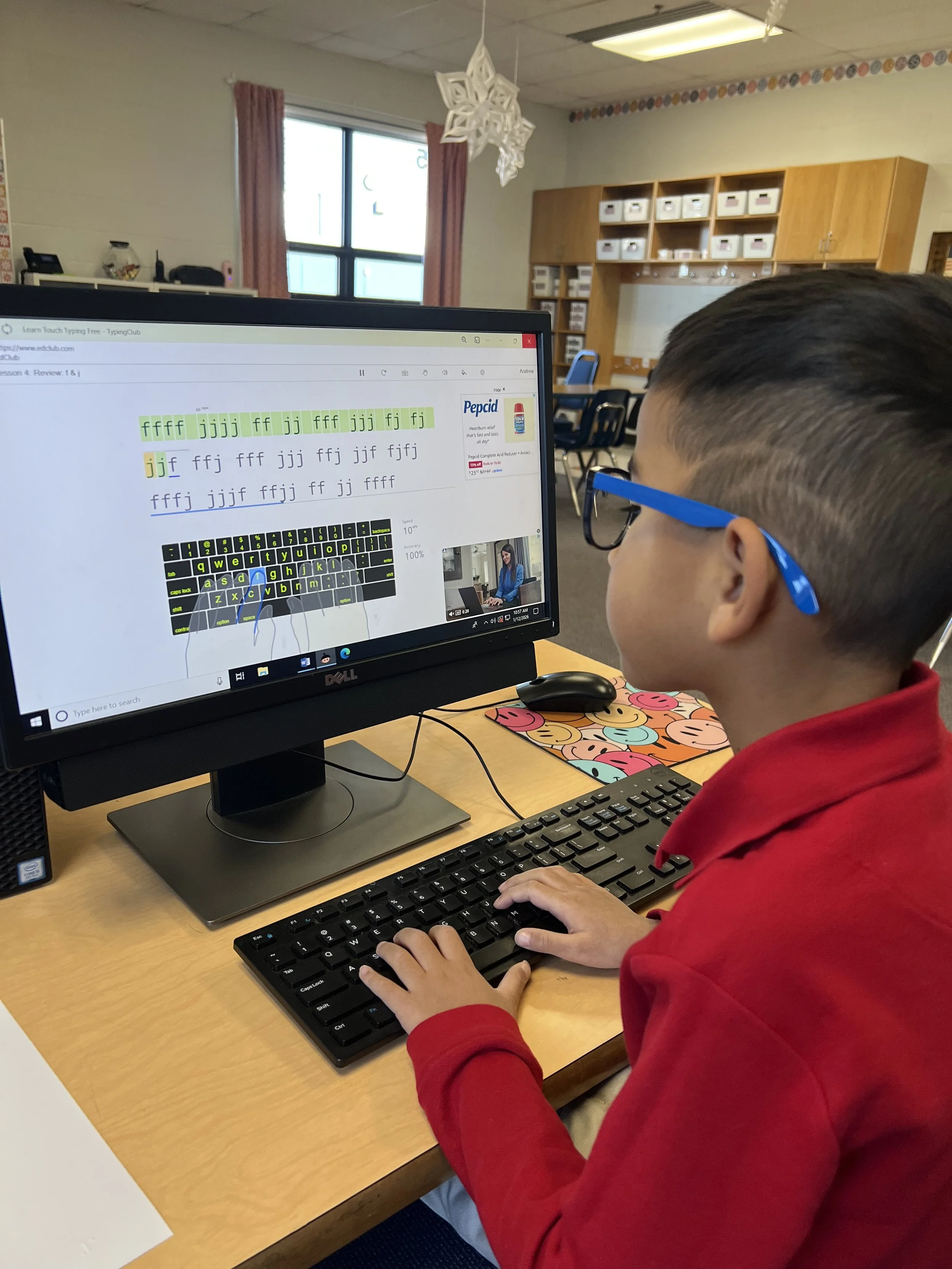
Assistive Technology
Assistive technology provides students with tools that increase independence and access to information. Instruction may include use of screen readers, magnification software, braille displays, accessible apps, and other specialized devices.
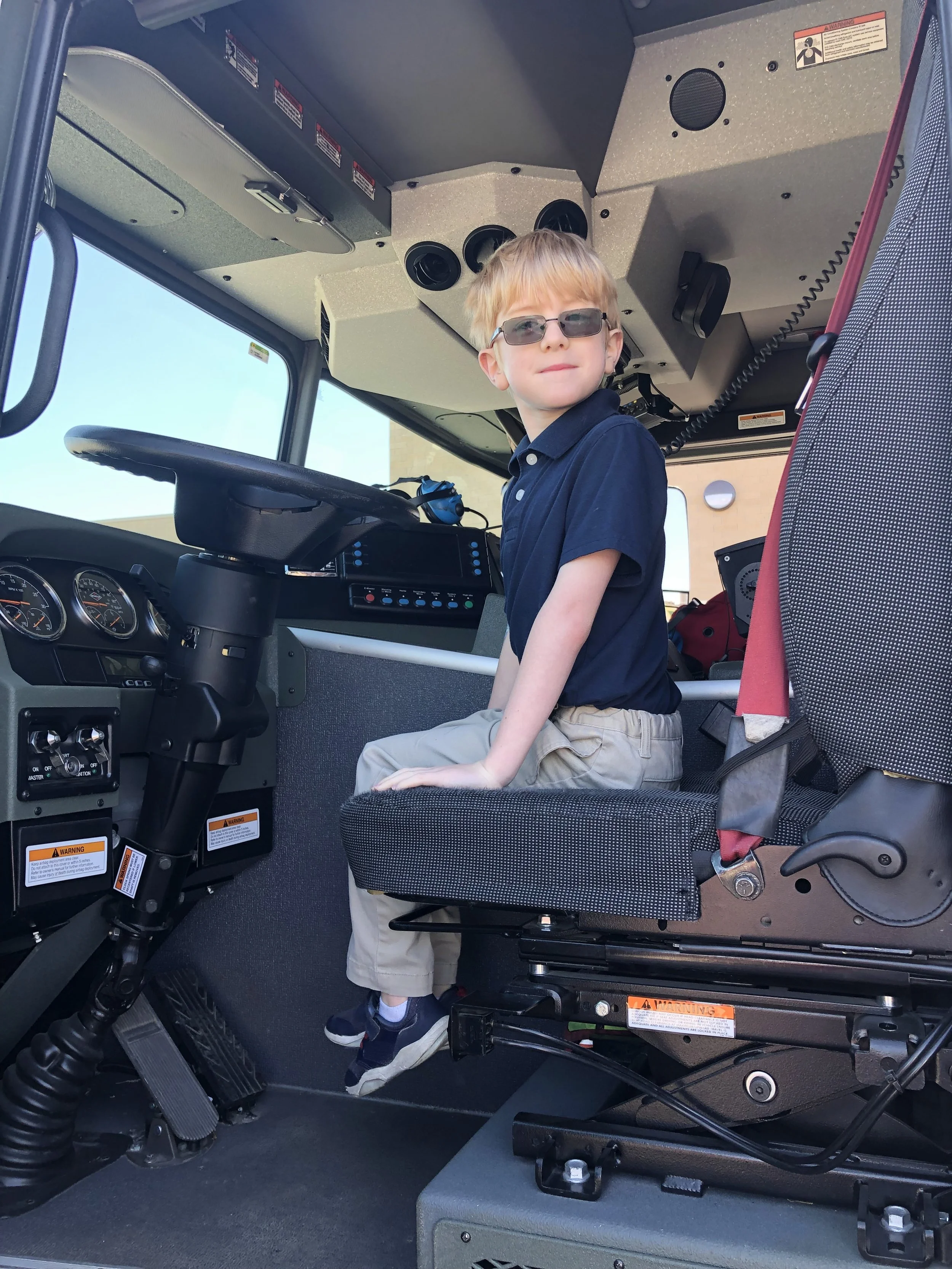
Career Education
Career education exposes students to a variety of careers while developing workplace readiness skills. Students explore interests, practice job-related skills, and learn self-advocacy to prepare for future employment.

Self-Determination
Self-determination empowers students to understand their strengths, advocate for their needs, and make informed decisions. These skills help students build confidence, set goals, solve problems, and become independent adults.